Solar panels (PV)
Generate electricity from your roof and use it in your home. We look at your roof space, shading and electricity use to recommend a system size that makes sense for your household.
Domestic
Whether you’re looking to cut your electricity bills, store more of the solar power you generate or charge your car at home, we’ll help you work out what makes sense for you. We look at your property, how you use electricity and what might change in the future before recommending a system.
What we do
Choose one, or combine them where it makes sense for your property.
Generate electricity from your roof and use it in your home. We look at your roof space, shading and electricity use to recommend a system size that makes sense for your household.
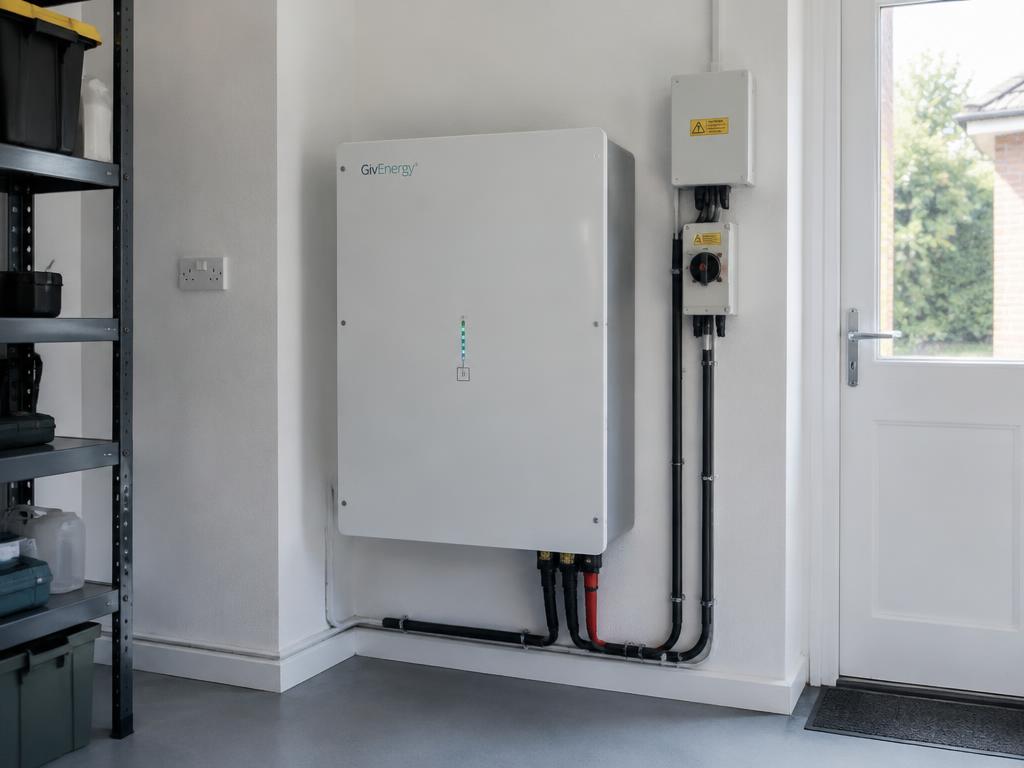
Store spare solar electricity to use later, such as in the evening. We’ll look at how much electricity you use and when you use it to see whether a battery makes sense and what size would suit you.
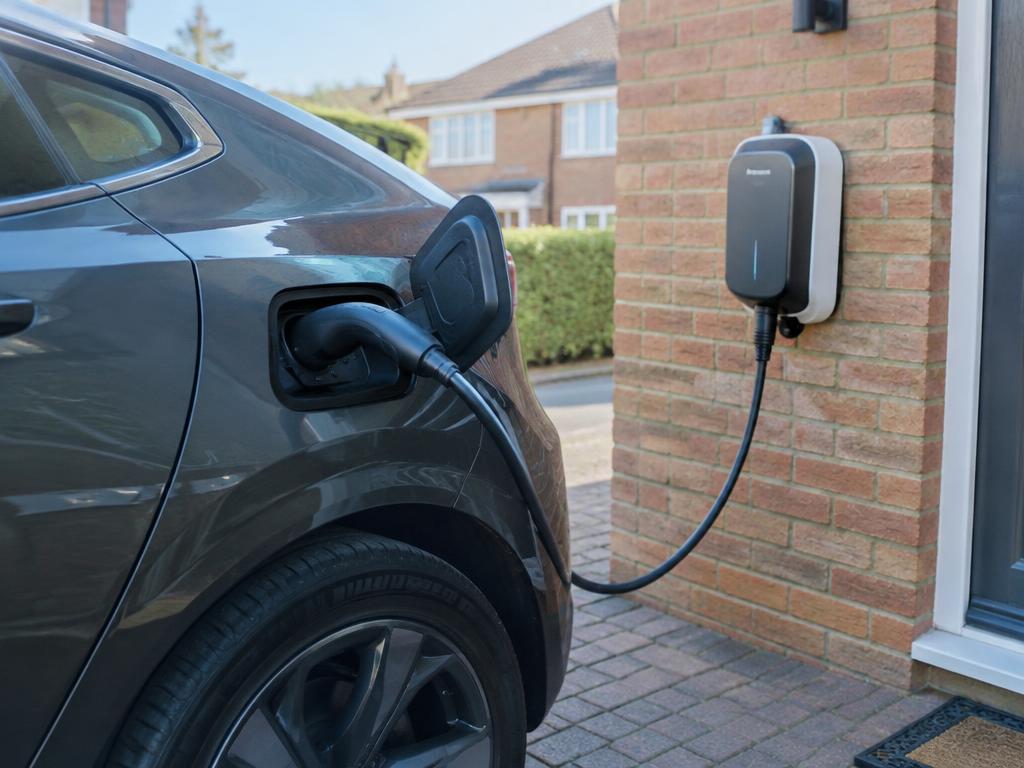
Charge your electric car at home. We’ll help you choose a charger based on where you park, your electrical supply and how you use your car. If you have solar or plan to add it later, we can look at chargers that use spare solar power.
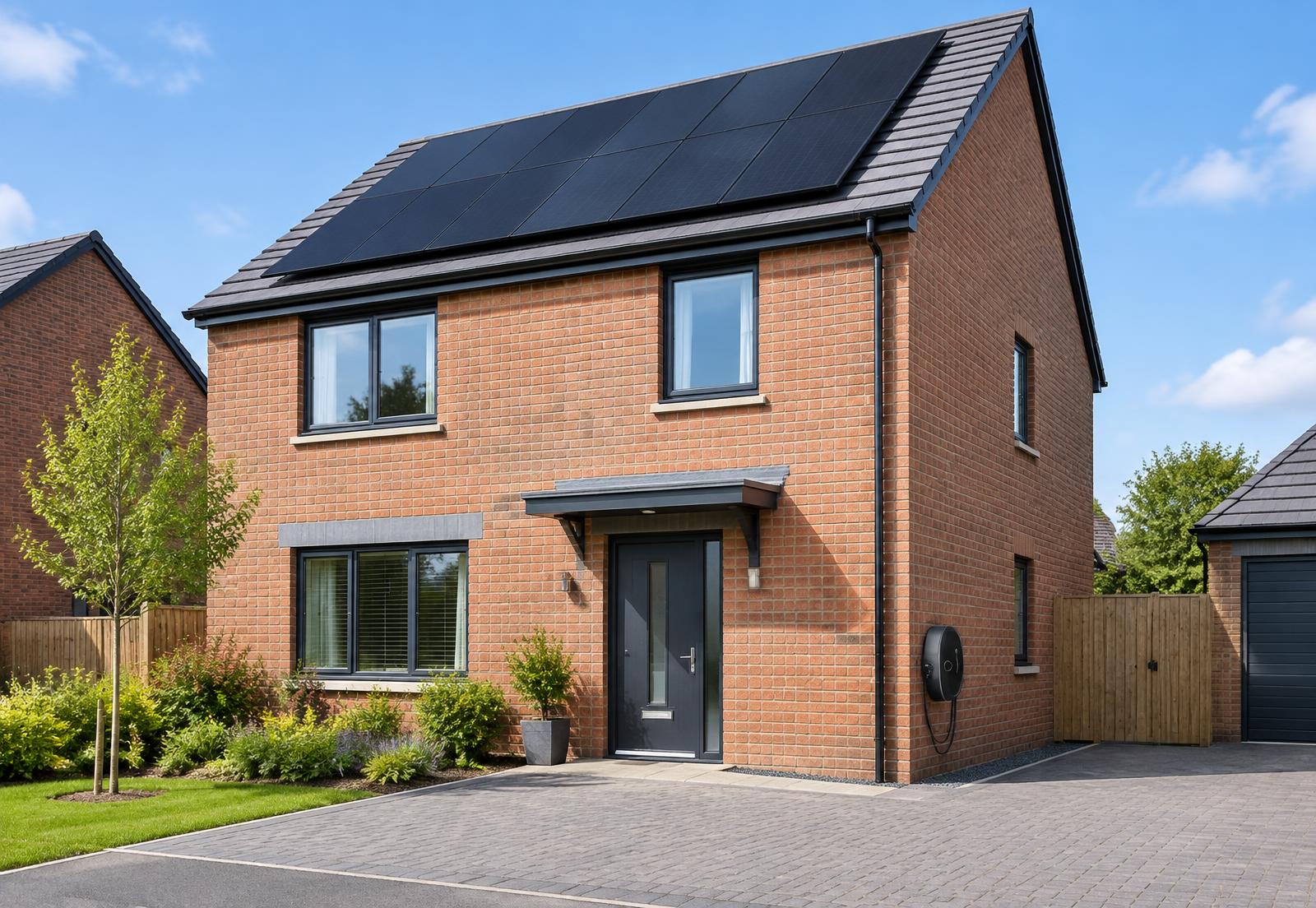
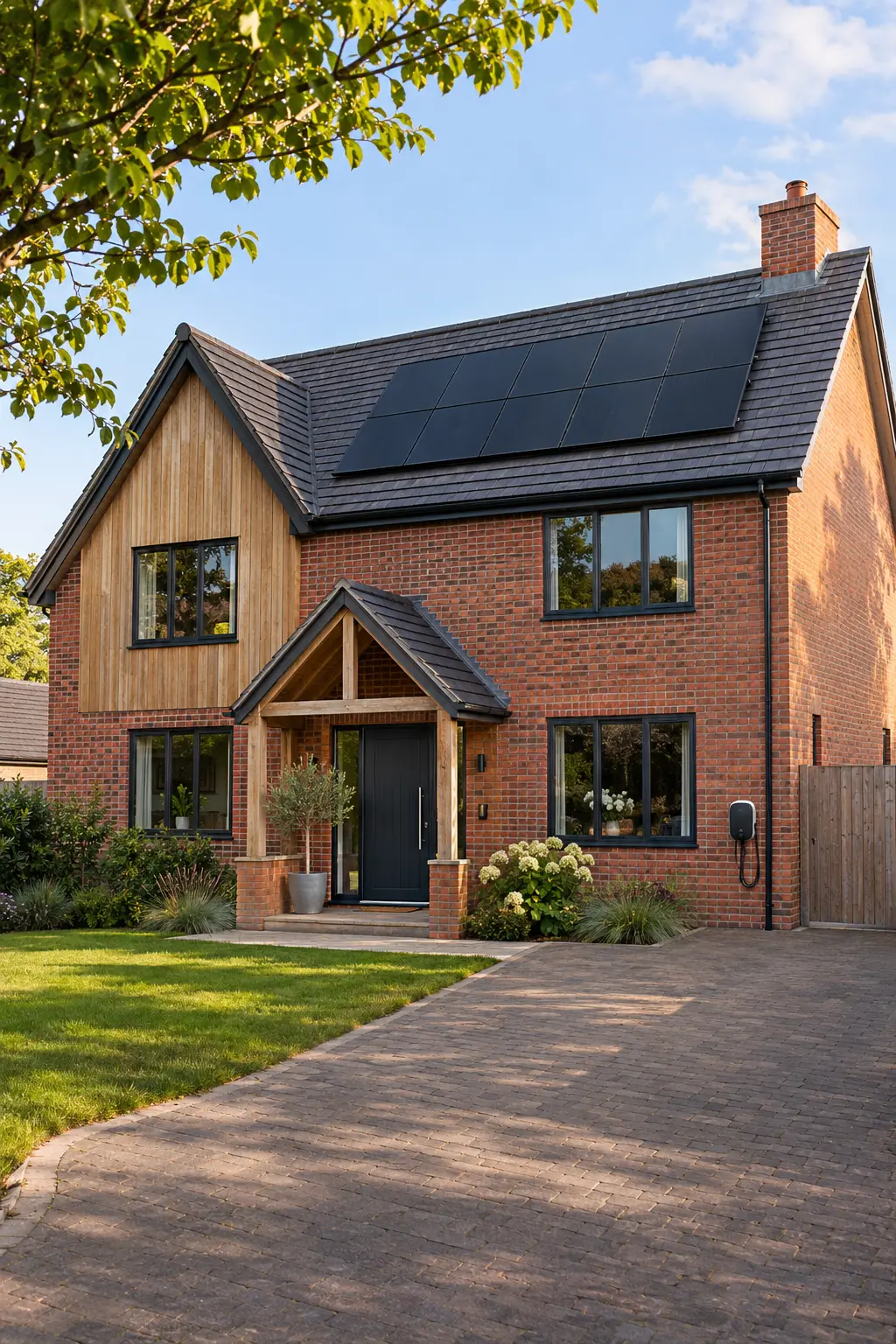
Illustrative images
Equipment
We work with manufacturers including the brands below, and choose the panels, inverter, battery or charger based on your property, budget and how you use electricity. Planning an electric car or heat pump? We can take that into account from the start.
The government’s Warm Homes Loan Scheme could help eligible homeowners pay for improvements such as solar panels and battery storage. Loans are offered by participating lenders, and the work must be carried out by an MCS-certified installer. Check the government guidance for eligibility, available lenders and how to apply.
Check the Warm Homes Loan SchemeWhen your solar panels generate more electricity than your home uses or your battery can store, the surplus can go to the grid. If your installation qualifies, you can apply to an electricity supplier for a Smart Export Guarantee tariff and get paid for the electricity you export. Your supplier sets the rate and uses export meter readings to calculate payments.
Read Ofgem’s export tariff guidanceWe look after the DNO applications for G98, G99 and G100 on your behalf — the paperwork and follow-up with the network operator is dealt with for you, not left to you.
What happens next
No pressure at any stage — you decide whether to proceed after each one.
Tell us about your property and how you use electricity. We’ll use that information to prepare an indicative quotation, subject to a survey and final design.
We’ll talk through the options and, if you’d like to go ahead, arrange a visit to check the property.
We’ll explain what we recommend, what’s included and what it costs so you can decide whether to proceed.
Request a desktop quotation, or get in touch and we’ll talk you through your options.